
For modern travelers, planning a trip has become a surprisingly exhausting task. Whether it is a weekend getaway, a month-long international journey, or a brief city break, the goal is usually to relax and explore. Yet, the tools available to plan these trips often create the exact opposite experience.
Historically, travel planning relied on printed guidebooks or traditional travel agents. In recent years, the industry shifted toward algorithmic recommendations, heavy social media influence, and search-engine-optimized listicles. Both approaches introduce distinct operational bottlenecks, but the modern digital approach has fundamentally changed how people experience the world. It has turned travel into a competitive, high-stress checklist.
Uncover Roads is a software platform built explicitly to address this gap. Operating as a dedicated travel decision engine, it encourages users to move past standard top-ten lists. By focusing on three core pillars: Discovery Over Algorithms, Human Pacing, and Intentional Surprise, the platform allows users to build trips that align with their actual personality rather than a social media algorithm.
This guide provides an objective, deep-dive analysis of Uncover Roads. We will explore the logistical problems it solves, examine its conflict detection engine, break down the app installation and onboarding process, evaluate the end-user experience, and analyze how it fits into the broader travel technology ecosystem.
1. The Travel Planning Dilemma
To understand the utility of Uncover Roads, it is necessary to examine the current landscape of travel planning and the specific friction points that travelers face when constructing an itinerary.
When someone decides to plan a trip today, they are immediately met with a flood of digital information. The traveler must typically choose between search engine listicles and social media discovery feeds. Both methods present distinct operational bottlenecks that ruin the pre-trip experience.
The Problem with SEO and Listicles
Modern trip planning has been flattened by search engine optimization. When you search for things to do in a destination, you are presented with identical, highly optimized listicles. These articles are not designed to offer a unique experience; they are written to rank high on search engine results pages. This creates the social proof trap:
- Overcrowding: Thousands of tourists receive the exact same recommendations, leading to extreme congestion at identical venues.
- Generic Content: Search-optimized articles prioritize broad appeal over niche interests, forcing every traveler into the same path.
- Outdated Information: Listicles are rarely updated in real time, often recommending closed businesses or outdated schedules.
The Friction of Highlight Reels
To escape search engine results, travelers often turn to social media algorithms for inspiration. While these platforms offer visual appeal, they introduce an unrealistic standard for travel.
- The Download and Planning Barrier: Converting a saved video or bookmarked post into a functional, location-accurate schedule requires significant manual labor across multiple mapping tools.
- Unrealistic Expectations: Social media feeds showcase heavily edited highlight reels. Planning an itinerary around these clips leads to packed, unrealistic daily schedules.
- Traveler Burnout: Rushing from one photo opportunity to another erases the personal, unhurried elements that make travel refreshing.
Uncover Roads sits directly between these two extremes. It provides the digital convenience of modern mobile software while maintaining a strictly human-first planning philosophy.
2. Platform Overview: What is Uncover Roads?
Uncover Roads is a lightweight travel decision engine and trip-planning companion. It is designed to shape custom itineraries for a variety of journeys, ranging from quiet coastal retreats to deep urban exploration, accessible through dedicated native mobile applications.
The software operates on an anti-algorithm philosophy. Rather than promoting sponsored tours or driving users toward trending destinations, the platform acts as an analytical companion. It evaluates a traveler's specific pace, budget, interests, and tolerance for the unknown to construct a trip that fits their personal profile.
.webp?tr=h-600)
By stripping away ad-driven search recommendations, sponsored placements, and viral trends, the software focuses entirely on personal fit and logistical feasibility. The platform organizes its functionality into a streamlined three-part workflow: defining traveler profiles, detecting itinerary conflicts, and building unhurried daily schedules.
3. Core Feature 1: The Conflict Detection Engine (Discovery)
The primary technical differentiator of Uncover Roads is its proprietary Conflict Detection Engine. Standard travel applications assume that every popular attraction is suitable for every tourist. Uncover Roads operates on the opposite premise: a destination or activity is only valuable if it matches the traveler's profile.
How Conflict Detection Works
Before a traveler books a flight or reserves accommodation, they input key parameters into the system through an intuitive step-by-step interface:

- Group Dynamics: Profiles adjusted for solo travelers, couples, families, or groups of friends, recognizing that the social makeup of a trip completely alters its requirements.
- Pace Preference: Options ranging from slow and relaxed to fast-paced exploration.
- Interests and Curiosity: Specific preferences for architecture, nature, food cultures, or quiet local neighborhoods.

- Budget Realities: Specific spending thresholds for daily activities, food, and transport, allowing users to define if they want a budget, mid-range, comfortable, or luxury experience.
When a user selects a destination under consideration, the Conflict Detection Engine evaluates their traveler profile against real, specific operational data about that location.
Preventing Bad Trips Before Booking
If a user prefers quiet, unhurried mornings but selects a destination characterized by dense crowds and mandatory early-morning reservations, the engine flags this mismatch immediately. By highlighting potential points of friction before money is spent, travelers can adjust their expectations, modify their schedule, or choose a destination better suited to their needs.
Custom Itinerary Generation
Because plans are generated directly from individual profiles rather than rigid templates, no two itineraries are identical. Two travelers considering the same city will receive entirely different recommendations based on their flagged conflicts, budget constraints, and personal priorities.
4. Core Feature 2: Human Pacing (Control)
A major flaw in traditional trip-planning tools is the tendency to over-schedule. Standard mapping tools and tour builders calculate physical distance but ignore human fatigue, leading to itinerary collapse by the third day of a trip.
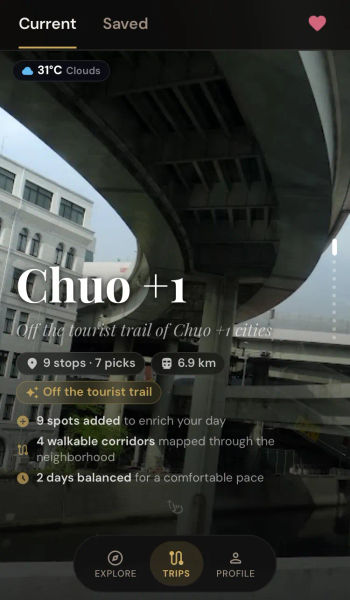
Trips That Breathe
Uncover Roads incorporates human pacing directly into its schedule generation algorithm. Instead of packing eight to ten activities into a single day, the platform structures itineraries around natural daily rhythms.
- Time to Observe: Schedules explicitly leave open windows for unscripted exploration, resting, or lingering at a sidewalk cafe.
- Realistic Transit Buffer: The platform accounts for movement friction, ensuring travelers are not rushing between distant neighborhoods.
- Energy Management: High-intensity activities, such as museum visits or hikes, are balanced with restful periods to prevent mid-trip exhaustion.
By designing itineraries that breathe, the platform ensures that travelers remain present during their trip rather than constantly checking their watches to hit the next scheduled milestone.
5. Core Feature 3: Intentional Surprise (Create)
Digital mapping tools have largely eliminated the joy of accidental discovery. When every venue displays thousands of public ratings and photos, the element of surprise is lost. Uncover Roads reintroduces intentional surprise into the planning process through its curated exploration maps.
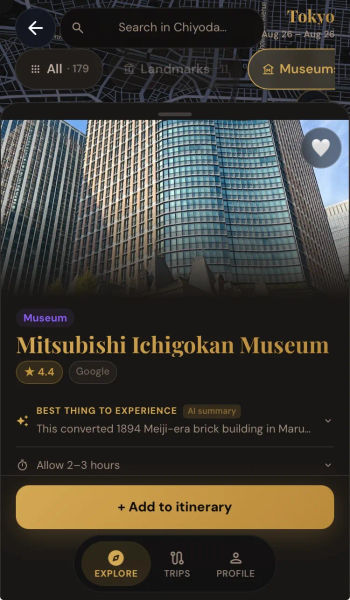
Designing for the Undiscovered
The platform deliberately highlights venues and paths that fall outside mainstream social media trends, utilizing visual mapping interfaces to guide users without overwhelming them.
- Focus on Local Character: Recommending small, independent establishments that offer authentic experiences over commercialized tourist hubs.
- Curated Serendipity: The software suggests general neighborhoods or thematic walking paths rather than dictating every step, giving travelers the freedom to stumble upon unexpected places.
- Quality Over Popularity: Venues are evaluated on personal alignment and atmosphere rather than raw review counts or online search popularity.
This approach allows travelers to experience a destination on their own terms, restoring a sense of genuine exploration to modern travel.
6. Industry Use Cases
Because Uncover Roads focuses on personal alignment and itinerary pacing rather than specific commercial niches, it is highly adaptable across different types of travel scenarios.
Solo Travelers
Solo travelers often require a balance between structured activities and personal freedom. Uncover Roads allows solo explorers to tailor itineraries to their exact energy levels, ensuring they can navigate new environments safely and efficiently without feeling overwhelmed by rigid tour schedules.
Couples and Group Travel
Planning a trip for multiple people introduces conflicting preferences. One person may prefer high-speed sightseeing, while another prioritizes slow dining and relaxation. By running group profiles through the Conflict Detection Engine, the platform identifies potential friction points early, helping groups build balanced itineraries that satisfy all participants.
Slow Travelers and Digital Nomads
For travelers spending weeks or months in a single location, traditional tourist guidebooks are inadequate. Uncover Roads provides low-density schedules that integrate seamlessly with work routines, allowing remote workers to explore their host city at a sustainable, unhurried pace.
7. Installing the App, Onboarding, and End-User Experience
The success of any consumer software depends heavily on accessibility and interface design. Uncover Roads is engineered to deliver a clean, frictionless user experience from initial installation to daily on-the-ground use.
Installing the App
Uncover Roads is available as a native application for mobile devices, ensuring fast performance, smooth offline accessibility, and full system integration.
- iOS Installation: The app can be downloaded directly from the Apple App Store. It requires iOS 15.0 or later and is compatible with iPhone and iPod touch devices. It also runs on Mac computers equipped with an Apple M1 chip or later running macOS 12.0 or higher.
- Android Installation: Android users can install the application directly through the Google Play Store, supporting modern Android operating system versions.
Onboarding and Setup
Once the installation is complete, opening the app leads directly into profile configuration without requiring lengthy tutorials, mandatory social media connections, or intrusive permissions requests. Users can establish their core travel preferences in under two minutes, setting the parameters for the Conflict Detection Engine.
Clean, High-Contrast Interface
Travel environments are often unpredictable. Users may need to check their plans under direct sunlight or review their schedule in dimly lit train stations. Uncover Roads uses a minimal, high-contrast visual design that eliminates visual clutter:
- No Ad Banners: The screen is kept free of third-party banner ads, sponsored pop-ups, or affiliate distraction blocks.
- Premium Aesthetic: Built with a minimal design language, prioritizing typography, clear status indicators, and fast navigation.
- Distraction-Free Schedules: Daily views display activities clearly, focusing strictly on location details, timing, and personal notes.
8. Pricing Model vs. Industry Standards
Uncover Roads uses a transparent, flexible pricing model designed to give users full access to its core features without locking them into expensive, recurring subscription tiers.
Free Trial
- Cost: $0
- Features Included: 3 Full Trip Generations, Conflict Detection, No Credit Card Required
- Best For: First-time users testing the platform to see how the conflict engine works.
Trip Pack
- Cost: Nominal In-App Fee
- Features Included: Additional Trip Generation Credits, Full Itinerary Customization
- Best For: Occasional travelers actively planning specific vacations.
Transparent In-App Structure
Rather than hiding features behind aggressive paywalls or requiring monthly subscriptions for seasonal travelers, the platform uses a pay-as-you-go approach. New users receive three free trip generations upon downloading the app. This allows travelers to input real destinations, run conflict checks, and view complete itineraries before deciding whether to purchase additional trip packs.
9. Limitations and When to Choose Alternative Tools
An objective evaluation requires identifying the boundaries of the software. Uncover Roads is explicitly designed as a personal decision engine and planning companion; it is not an all-in-one enterprise travel agency system. There are specific scenarios where travelers will need to use alternative or supplementary tools.
Not Built for "Tick-Box" Sightseeing
If a traveler's explicit goal is to visit twenty major landmarks in two days to take photos, Uncover Roads is not the right fit. The software algorithmically discourages over-scheduling and high-density sightseeing in favor of human pacing.
No Direct Transactional Booking
The platform does not sell flight tickets, process hotel reservations, or manage railway bookings within the application. It acts purely as a decision and scheduling engine. Travelers must execute their actual bookings through primary service providers or dedicated booking engines.
Lack of Complex Corporate Expense Integration
Uncover Roads is built for personal travel exploration. It does not include features for tracking corporate travel policies, submitting business expense receipts, or coordinating multi-employee corporate itineraries. Businesses requiring centralized travel management should rely on enterprise tools.
10. Summary Conclusion
Communicating and executing a travel itinerary should be an inspiring experience, yet modern algorithms have turned trip planning into a source of fatigue. The reliance on search-engine-optimized listicles and exaggerated social media clips forces travelers into generic, overcrowded, and exhausting schedules.
Uncover Roads offers an effective, elegant solution to the modern travel dilemma. By combining a native mobile experience with a dedicated Conflict Detection Engine, human pacing algorithms, and a commitment to intentional surprise, the platform successfully eliminates bad trips before they are booked.
The end-user experience is straightforward: downloading the app from the App Store or Google Play takes seconds, the setup requires no complex onboarding, and the minimal interface ensures travelers spend less time looking at their screens and more time enjoying their surroundings. While it is not designed for fast-paced checklist tourists or corporate travel managers, Uncover Roads delivers precisely on its core promise: helping people travel like themselves, unhurried and unmistakably present.


